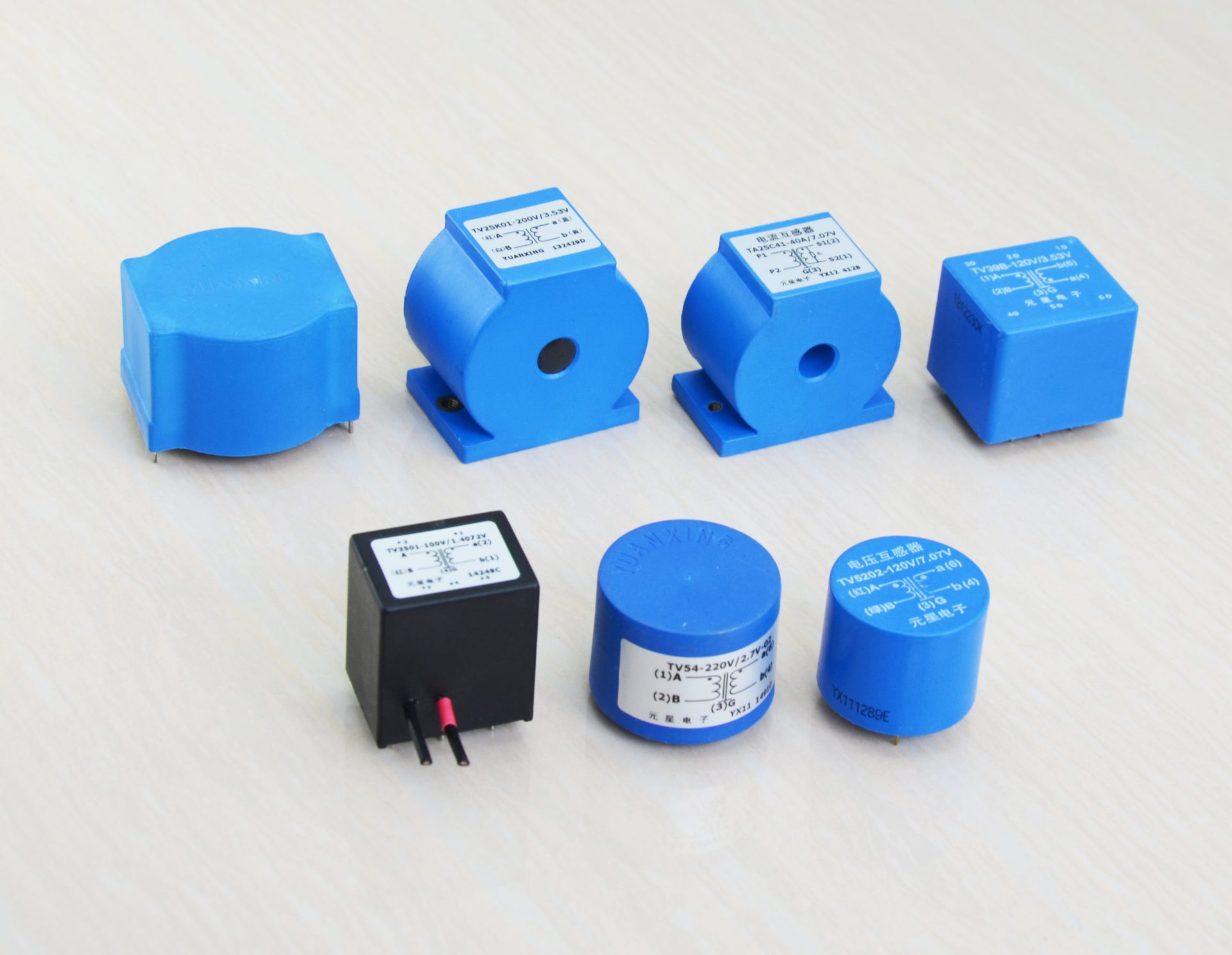
| 图片 | 零件编号 | 额定输入(A) | 变比 | 频率(Hz) | 二次负载(Ω) | 精度等级 | 尺寸(mm) | |
|---|---|---|---|---|---|---|---|---|
| TV5202 | Input:57.7V,100V,120V,150V Output:0.1V,0.333V...3.53V...7.07V | 0.1 | OD-H 32.0-26.0 | |||||
| TV52D02 | Input:57.7V,100V,120V,150V Output:0.1V,0.333V...3.53V...7.07V | 0.1 | OD-H 31.0-30.0 |
Frequently Asked Questions
Honeywell needed a stable and highly accurate way to measure current fluctuations in large commercial buildings. Existing sensors often produced noise and drifted over time, creating errors in smart energy dashboards
Honeywell needed a stable and highly accurate way to measure current fluctuations in large commercial buildings. Existing sensors often produced noise and drifted over time, creating errors in smart energy dashboards
Honeywell needed a stable and highly accurate way to measure current fluctuations in large commercial buildings. Existing sensors often produced noise and drifted over time, creating errors in smart energy dashboards
Honeywell needed a stable and highly accurate way to measure current fluctuations in large commercial buildings. Existing sensors often produced noise and drifted over time, creating errors in smart energy dashboards
Honeywell needed a stable and highly accurate way to measure current fluctuations in large commercial buildings. Existing sensors often produced noise and drifted over time, creating errors in smart energy dashboards